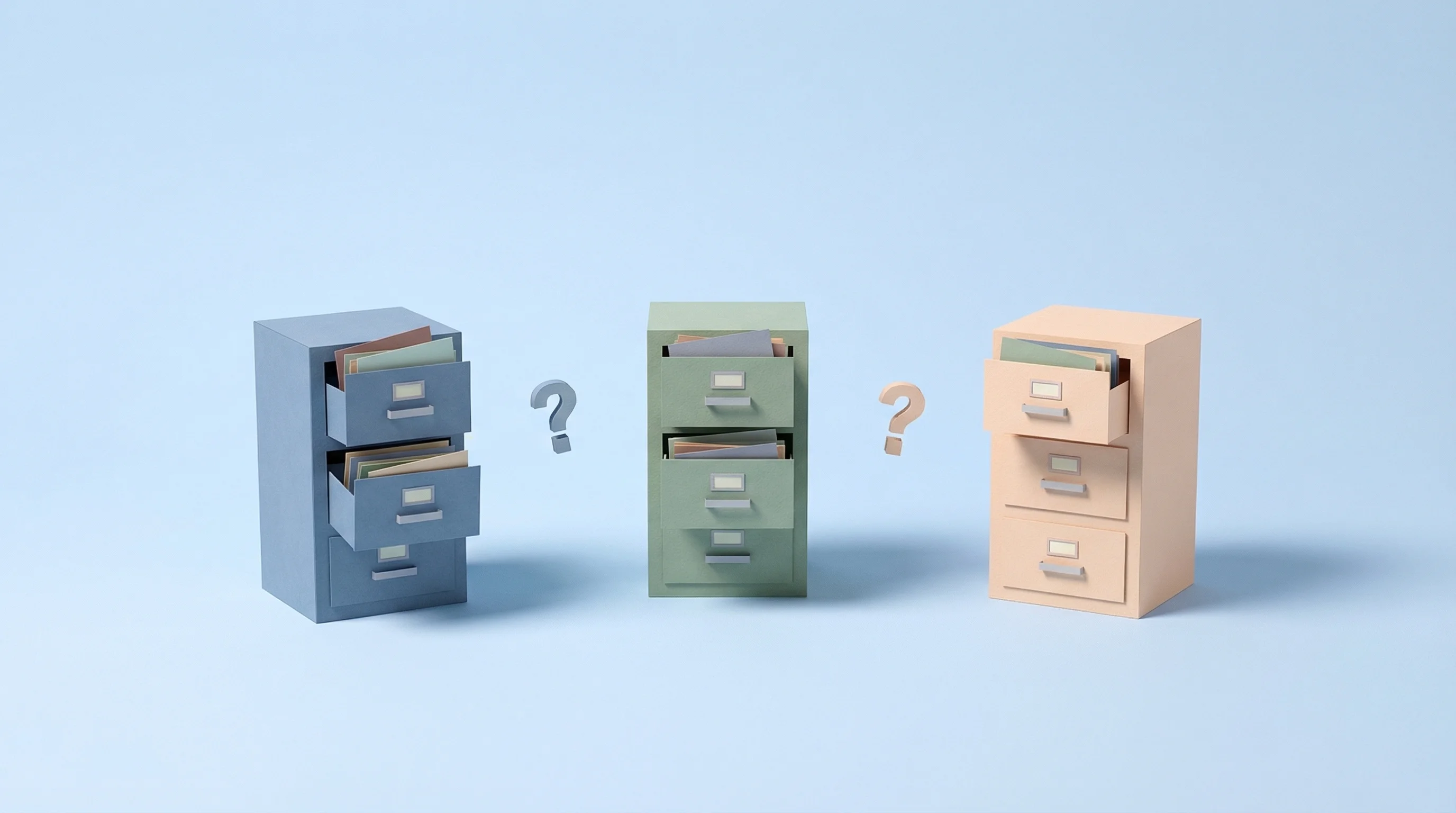
Data trapped in separate systems
Attendance, operational entries and pastoral information may sit in different approved systems. Retrieving the relevant Vero records for an authorised review should not require manual collation.
Bring passes, uniform entries, values recognition and lateness records created in Vero into one searchable timeline, without claiming to be a complete picture of the student.







When authorised records sit across separate tools and spreadsheets, producing a useful report can require avoidable manual work.
Attendance, operational entries and pastoral information may sit in different approved systems. Retrieving the relevant Vero records for an authorised review should not require manual collation.

When authorised records sit in separate exports or spreadsheets, end-of-term reporting can require avoidable manual work.

When authorised records are difficult to aggregate, a school-defined threshold or change can be harder to notice and review in context.
Total passes, average active duration, overdue count, busiest periods and selected destinations appear in one authorised view. Set school-defined alert rules and opt into the daily digest to review recorded thresholds that were crossed.
Reports organise teacher-created pass counts, open duration and selected destinations over a chosen period. Authorised staff still need to validate the entries, check context and decide whether any follow-up is appropriate.
Review selected destinations by date range and time of day, including bathroom, counsellor and sick-bay pass records. This shows what was selected on teacher-created passes, not where students physically went.
Uniform checks, values recognition and lateness records created in Vero can appear in the same reporting system, adding school-activity context.
Teachers record an item, reason and any necessary note. Authorised leaders can retrieve those Vero entries by date range without relying on memory or treating a count as proof of intent.
How late, which period and the reason given are captured at the classroom door. Reports summarise those staff-created entries by period, date range and cohort for contextual review.
Teachers can record the value, student and relevant context in the moment. School-level summaries show how recognition is being used without turning the result into a judgement about an individual student.
Every module feeds into one reporting system. These are the views that bring it all together.
Passes, uniform notes, values recognition and lateness records created in Vero appear in one searchable timeline. It provides school-activity context, not a complete profile of the student.
Review total passes, average duration, recorded uniform issues, values recognition and lateness trends by year group in one authorised Vero view.
Pull up a student's Vero history — passes, uniform, values and lateness records — filtered by date range. Its neutral format supports a conversation without claiming to be the student's complete history. Export the same data as CSV when needed.
Administrators can set a limited number of review rules and opt in to a digest. The email summarises Vero records that crossed those school-defined rules; recipients still validate context and decide whether any follow-up is appropriate.
Vero lets administrators configure recipients and thresholds around local roles. A notification surfaces a record for review; it does not make a decision about a student.
Passes, uniform checks, values recognition and lateness records created in Vero are timestamped and attributed. They can support parent conversations, incident reviews and wider school processes without proving compliance by themselves.

Book a walkthrough and we'll walk you through the reports that matter most to your school.